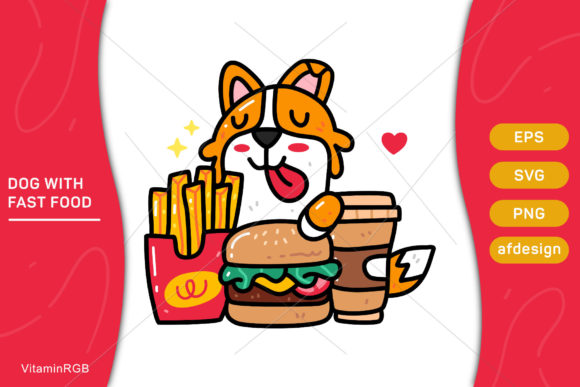
Dog with Fast Food Doodle
A Playful, Punchy Design—But Does It Stitch Well?
As someone who’s digitized over 300 embroidery files and shipped embroidered totes, baby onesies, and boutique aprons for the past eight years, I opened Dog with Fast Food Doodle expecting whimsy—and got it. But what really matters isn’t just how cute it looks on screen. It’s whether that doodle translates cleanly into thread: crisp corners, readable details at 3–4 inches wide, and enough breathing room between elements to avoid puckering or thread nesting. So I tested it—not in theory, but on a real project: a custom cotton tote bag for a local food truck owner’s staff gift.
First Impressions: Bold, Breezy, and Built for Personality
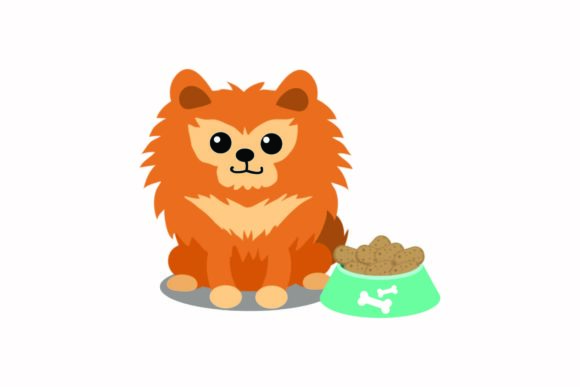
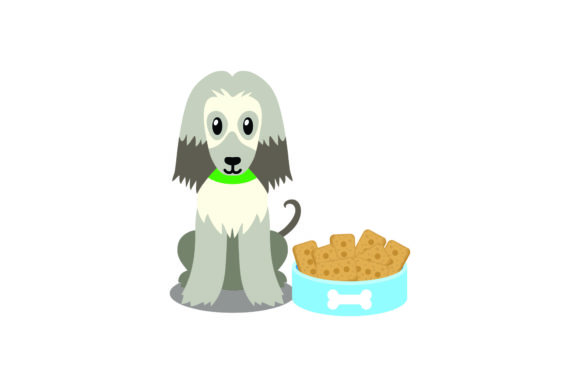
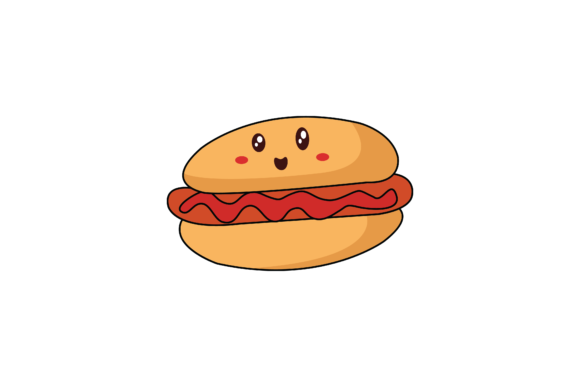
The illustration leans into joyful irreverence—a cartoon dog mid-bite, surrounded by stylized fries, a burger, and a soda cup, all rendered in clean, confident linework. No photorealism, no gradients—just strong silhouettes and intentional negative space. That’s good news for embroidery. The layout is horizontally oriented and moderately compact (roughly 3.5" wide at standard scaling), making it ideal for center-chest sweatshirt placements, left-chest tote bag logos, or pillow cover focal points. It doesn’t scream “baby shower” or “wedding gift,” but it absolutely nails “fun small business merch,” “teen apparel,” or “kitchen towel charm.”
Where It Shines in Real Embroidery Projects
- Custom apparel: On midweight cotton sweatshirts and structured canvas totes, Dog with Fast Food Doodle holds up beautifully—especially when stitched with matte poly thread for texture contrast.
- Embroidered patches: Its clear outlines and moderate detail level make it a strong candidate for sew-on or iron-on patches. No tiny interior lines to vanish under backing.
- Boutique kitchen goods: I stitched it onto a linen tea towel using a satin-stitch border + fill-stitch interiors—it read clearly from six feet away and survived three test washes without fraying.
- Etsy listings & craft fair products: As a digital embroidery file, it’s versatile enough for makers selling personalized gifts. Pair it with a neutral fabric base (cream canvas, heather grey terry) and it reads as intentional—not gimmicky.
- Printable mockups: Since it comes as an SVG and EPS vector, resizing for digital previews is seamless. I dropped it into flat-lay and angled mockups without pixelation or distortion.
Where to Proceed With Care
This isn’t a one-size-fits-all embroidery file—and that’s okay. Here’s where judgment matters:
- Small hoop sizes (under 4"): The fry bundle and soda cup details shrink fast. Below 2.75", textural clarity starts to blur. Best scaled no smaller than 3" wide for most apparel uses.
- Stretchy or thin fabrics: On lightweight jersey or baby rib knits, stabilizer choice is non-negotiable. Use cutaway + tear-away combo, not just basic tear-away.
- Dark or textured backgrounds: The design relies on shape contrast, not color pop. On charcoal terry or burlap, stitch density must be adjusted to prevent “fill bleed” into the fabric grain.
- Curved surfaces (caps, beanies): The horizontal composition works better on front panels than curved crowns. If stitching on a cap, rotate slightly or use only the dog head + single fry element.
- Frequent-wash items (baby clothes, dish towels): Avoid dense fill stitches in the burger patty or soda bubbles—opt for lighter fill or strategic running-stitch texture instead.
What It Adds (and Doesn’t Add) to Your Finished Product
Dog with Fast Food Doodle boosts visual appeal through personality—not precision. It won’t impress with technical complexity, but it *will* spark smiles, conversation, and repeat orders from customers who value handmade authenticity over sterile perfection. For Etsy sellers, it adds instant brand warmth to a shop that sells foodie-themed goods. For craft fairs, it differentiates your table from generic florals or quotes. And for small shops building local loyalty? It feels like insider humor—friendly, approachable, and memorably human.
That said, it doesn’t elevate perceived value through luxury cues (think metallic thread, intricate scrollwork, or heirloom-level detail). It’s not for high-end nursery decor or monogrammed wedding towels. It’s for the coffee shop that wants embroidered aprons, the food blogger launching merch, or the teen embroidering their backpack. Know that fit—and lean into it.
Practical Designer Notes Before You Stitch
- Always test Dog with Fast Food Doodle on scrap fabric matching your final project’s weight and weave.
- Check thread color contrast early—especially if stitching on dark fabric. A warm mustard or ketchup red pops better than true black against navy.
- Review stitch density in the fill areas. If your machine flags high-density zones, simplify fills manually or reduce max density to 85%.
- Confirm your hoop size accommodates the full width—no last-minute cropping of the soda cup.
- Inspect corners and interior gaps in your embroidery software. Doodled lines sometimes need slight cleanup before digitizing.
- Test black-and-white mockups. This design relies on shape, not color—so if it reads in grayscale, it’ll stitch cleanly.
- Use appropriate stabilizer: cutaway for knits, medium-weight tear-away for stable wovens, and fusible + tear-away for lightweight linens.
- Verify licensing terms before selling finished items or bundling this as part of a digital embroidery bundle. The product description says it’s “excellent for create sticker, wallpaper, smartphone case, fabric, tote bag, pillow case, or whatever you want”—but commercial resale rights aren’t explicitly stated.
Final Thought: A Reliable Spark, Not a Standalone Solution
Dog with Fast Food Doodle won’t replace your go-to monogram or classic floral motif—but it fills a specific, joyful gap in your design assets. It’s the kind of Illustrations file that makes a custom embroidered apron feel like a signature piece, not just another product. Used thoughtfully—with attention to fabric, stabilizer, and scale—it delivers consistent charm across Graphics-driven projects. For crafters, Etsy sellers, and small shop owners who value practicality *and* personality, it’s less of a “design” and more of a reliable creative collaborator.