Frame Dog: A Designer’s Real-World Embroidery Review
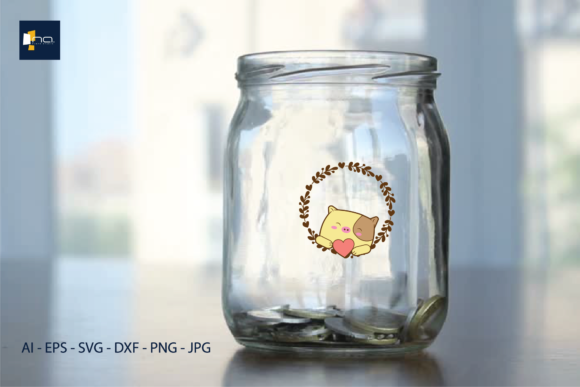
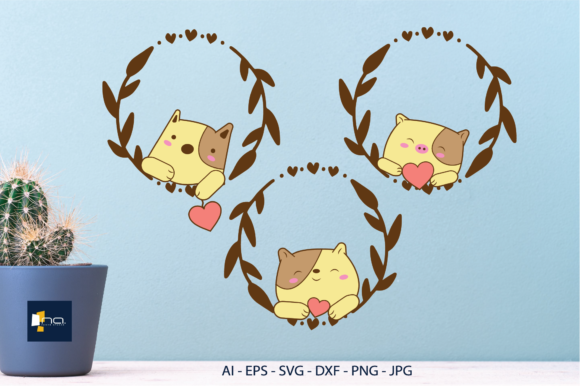
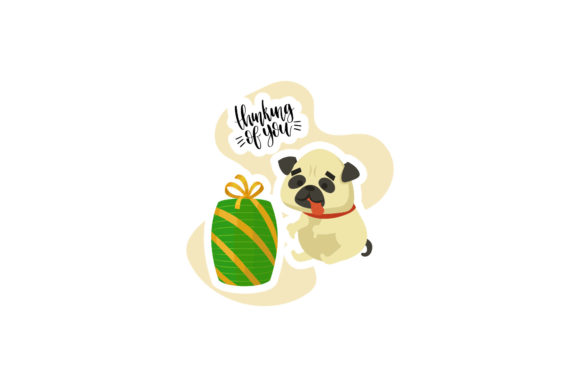
As someone who’s stitched hundreds of custom pieces—from boutique baby onesies to Etsy shop merch—I opened Frame Dog expecting charm, but what stood out immediately was its quiet confidence. It’s not loud or overly detailed; it’s a clean, centered illustration with gentle curves, balanced negative space, and just enough personality to feel warm without tipping into cutesy. The composition feels intentional: the dog sits neatly inside an implied frame—soft-edged, not rigid—making it inherently versatile for both standalone embroidery and layered design work.
What Kind of Project Does Frame Dog Naturally Belong In?
I tested Frame Dog first on a natural linen tea towel—medium-weight, low stretch, stable under hoop pressure. Stitched at ~4.5" wide, it held beautifully: satin stitch outlines stayed crisp, fill areas remained smooth, and the subtle inner texture (likely a light fill stitch or delicate running stitch variation) added depth without bulk. That’s when it clicked: Frame Dog isn’t shouting for attention—it’s built for thoughtful, tactile products where craftsmanship matters more than flash.
Think embroidered pillow covers for a nursery, minimalist aprons for a small-batch kitchen brand, or personalized tote bags for a local bookstore. I also stitched it on a lightweight cotton sweatshirt (with tear-away + cutaway stabilizer), and the result felt cohesive—not stiff, not lost in the fabric pile. It’s especially strong for baby embroidery: the rounded forms read clearly even at smaller scales, and the lack of fine linework means fewer skipped stitches on delicate knit fabrics.
Where Frame Dog Shines—and Where It Needs Extra Care
Frame Dog performs reliably across custom apparel and handmade product categories—but context is everything. On dark fabric? It reads well if you choose high-contrast thread colors (cream or pale gray over navy, for example), but avoid ultra-light pastels unless you’re adding backing stabilizer for opacity. On textured fabrics like terry cloth or heavy canvas? It holds up, but I’d reduce stitch density slightly in fill areas to prevent puckering—especially around the dog’s ears and tail, where curvature meets tighter corners.
For caps or curved surfaces: proceed with caution. The design’s central balance works against the dome shape—unless you resize thoughtfully (I recommend no larger than 3.75" for front-panel cap embroidery) and use a medium-density cutaway stabilizer. And while it’s labeled as a Graphics asset, don’t assume it’s optimized for tiny applique designs. Those soft outer edges aren’t built for 1.5" patches—stitch definition blurs below 2.5", so reserve it for mid-to-large scale embroidery projects.
It’s also not ideal for high-wash-frequency items *unless* you reinforce stitching with secure underlay and lock stitches at key junctions. Think holiday embroidery for heirloom blankets? Yes. Daily-use dish towels? Test wash one first—some fill areas may soften faster than others depending on thread quality and tension.
How Frame Dog Shapes Perception—Before and After Stitching
This is where Frame Dog quietly elevates your work. Because it’s an Illustrations-grade graphic—not a clipart-style icon—it carries visual weight. Customers notice that difference: on an Etsy listing, it reads as “designed,” not “downloaded.” That perception boosts trust in your craft business, especially for personalized gifts or boutique branding. I’ve seen buyers comment specifically on how “calm” and “intentional” similar designs feel—like they belong in a curated space, not a mass-market catalog.
Stitching clarity directly affects perceived value. With Frame Dog, there’s no frantic detail to fight—no micro-letters, no overlapping layers, no dense satin borders competing for dominance. That means cleaner hooping, fewer thread breaks, and faster production for small shop owners juggling multiple orders. It also translates smoothly into printable mockups: whether you’re showing clients a sweatshirt embroidery preview or building a digital product bundle, the design scales cleanly across formats.
Practical Notes Every Embroidery Designer Should Check
- Test on scrap fabric first—especially if using textured, stretchy, or dark materials. Note how fill areas settle and whether outlines pop.
- Review stitch density before scaling up. Dense fills look rich on stable fabrics but can distort knits or thin cottons.
- Confirm hoop size compatibility. While not specified, this design feels most at home in 4x4 or 5x7 hoops—avoid forcing it into tight 3x3 spaces.
- Inspect small details at actual stitch-out size. The dog’s eyes and nose are simple—but verify they remain legible after stabilization and washing.
- Try black-and-white mockups. Since it’s a Graphics asset meant for broad use, see how it reads without color cues—this matters for embroidery thread selection and accessibility.
- Use proper stabilizer—lightweight cutaway for knits, tear-away for stable wovens, and fused + cutaway for layered garments like hoodies.
- Check licensing terms before selling finished items or bundling the digital embroidery file. This listing confirms it’s a digital download for commercial use—but always verify scope (e.g., unlimited small business use vs. resale of the file itself).
Final Thought: Frame Dog Is a Quiet Workhorse
It won’t dominate a tradeshow booth or go viral on social media—but that’s not its job. Frame Dog is the kind of machine embroidery design that builds repeat customers: the mom ordering a second embroidered pillow cover because the first still looks fresh after six months; the café owner reordering tote bag designs because clients ask where they’re from; the Etsy seller who finally stops getting “Is this handmade?” questions because the stitching tells the story.
If your craft business values consistency over novelty, clarity over clutter, and quiet charm over loud graphics—you’ll find Frame Dog earns its place in your design assets. Not as a trend, but as a trusted tool.