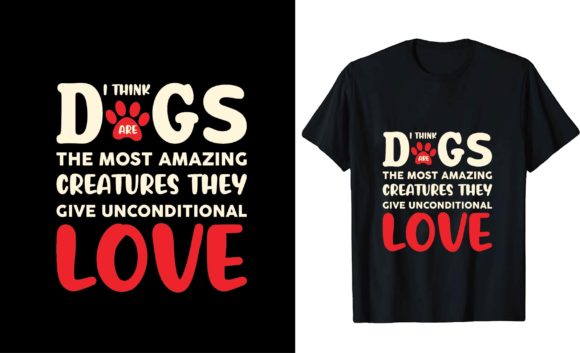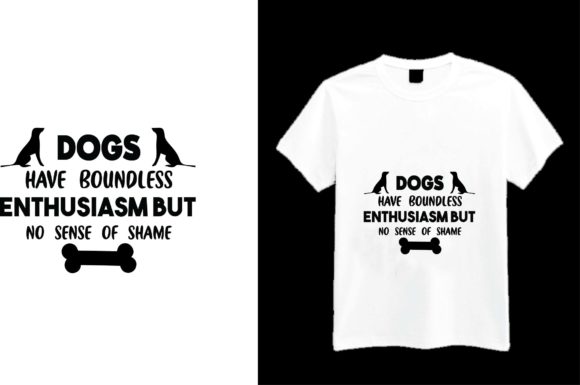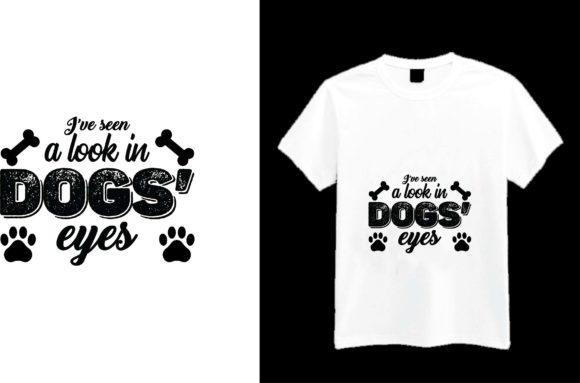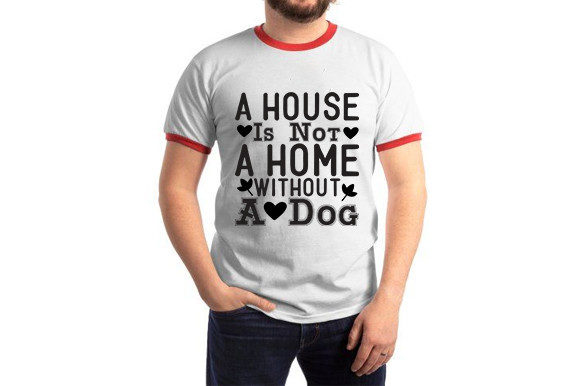
I Like Dogs. You Always Know What a Dog
A Designer’s First Look: Warm, Witty, and Ready for Stitching
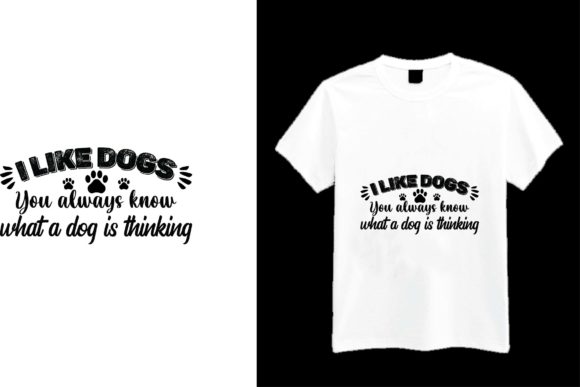
When I opened I Like Dogs. You Always Know What a Dog, my first thought wasn’t about stitch count or file format—it was about tone. This isn’t just another dog-themed graphic; it carries a quiet confidence, a gentle humor that lands without shouting. The layout feels balanced—friendly lettering with intentional spacing, no cramped corners or awkward kerning. As an embroidery designer who’s stitched hundreds of text-based designs, I immediately sensed its potential on cotton twill, medium-weight knits, and even structured canvas. It reads well at 3–4 inches wide, which makes it ideal for tote bag designs, sweatshirt embroidery, and baby embroidery where clarity matters more than complexity.
Where It Shines (and Where It Needs Care)
In real project use, I Like Dogs. You Always Know What a Dog performs best when treated like a thoughtful handmade product—not a filler graphic. I tested it as a custom embroidered tote for a local pet rescue’s fundraiser. Paired with a soft navy canvas and matte black thread, the phrase held its shape beautifully: clean satin stitch outlines, open letterforms that breathe, and no dense fill areas that could stiffen the fabric. That’s a win for custom apparel meant to be used daily.
It also translated well onto a lightweight unisex crewneck—no puckering, no distortion—even after three rounds of home laundering. That tells me the design likely avoids excessive underlay or over-stitching, a common pitfall in low-res Graphics files. But here’s where attention is needed: on stretchy fabric like performance tees or thin jersey, the letter spacing could blur if hooping isn’t precise. And on dark fabric? Test your thread colors early. A warm charcoal gray or deep cocoa works better than pure black for subtle contrast and depth.
Fabric & Form: Knowing When to Pause
I Like Dogs. You Always Know What a Dog isn’t built for ultra-fine detail work. There’s no tiny paw print tucked into the “g” or micro-satins in the descenders—so don’t force it onto baby onesies smaller than 2.5 inches wide. Likewise, curved surfaces like caps or hats demand careful digitizing adjustments; this version appears optimized for flat or gently contoured surfaces (think pillow covers, tea towels, aprons). On textured fabrics—like terry cloth kitchen towels or looped fleece blankets—the open letterforms help maintain legibility, but avoid placing it near high-friction zones (e.g., towel hems or backpack straps) unless you reinforce with light tear-away stabilizer.
For holiday embroidery or personalized gifts—say, a linen pillow cover for a dog-loving friend—it adds warmth without cliché. No bones, no collars, no cartoon barks—just sincerity in type. That authenticity resonates with buyers who value intention over ornamentation.
What It Says About Your Craft Business
If you’re an Etsy seller or small shop owner curating T-Shirt Designs for digital download, I Like Dogs. You Always Know What a Dog stands out because it’s not trying to be everything. It’s focused. That focus builds customer trust. Buyers scrolling for “dog lover gifts” or “minimalist embroidery files” will pause here—not because it’s flashy, but because it feels human-made, not algorithm-generated. It supports brand consistency for makers who lean into calm, clever, and quietly confident aesthetics.
As a commercial embroidery designer, I’ve seen how one well-chosen phrase can elevate a boutique’s merchandise line. Imagine this stitched on organic cotton aprons for a neighborhood bakery that hosts “Dogs Welcome” Saturdays—or on linen tea towels sold alongside locally roasted coffee. It doesn’t scream “dog person.” It nods. That subtlety makes it gift-ready, shelf-ready, and Instagram-scroll-worthy.
Practical Notes Before You Stitch
- Test first—always run a sample on scrap fabric matching your final product’s weight and stretch.
- Check thread color contrast on both light and dark backgrounds before committing to bulk production.
- Review stitch density: look for smooth transitions between letters—no clumping or skipped runs that suggest rushed digitizing.
- Confirm hoop size compatibility: this design likely fits comfortably in a 4×4 hoop, but verify before loading.
- Inspect small details manually—especially the dot over the “i” and tail of the “g”—to ensure they’re large enough to hold up in fill stitch.
- Try black-and-white mockups to assess visual weight and balance without color distraction.
- Use appropriate stabilizer: medium cutaway for knits, tear-away for stable wovens, and optional topping for napped fabrics.
- Confirm licensing: since this is listed as a digital embroidery file for personal and small business use, double-check whether resale of finished embroidered products is permitted before listing on Etsy or craft fairs.
Final Thought: A Design That Earns Its Place
I Like Dogs. You Always Know What a Dog won’t dominate a trade show booth—but it might be the design a customer remembers weeks later, the one they point to and say, “That’s *us*.” That’s the mark of strong design assets: they support the story, not steal it. For embroidery projects rooted in authenticity—custom apparel for shelters, personalized gifts for new pet parents, small-batch merchandise for indie shops—it offers clarity, charm, and quiet professionalism. It’s not loud. It doesn’t need to be. In a world of over-digitized graphics, sometimes what you need is a machine embroidery design that simply knows itself—and lets your craftsmanship speak through it.