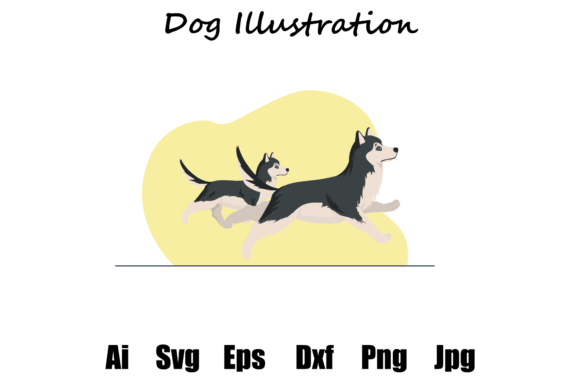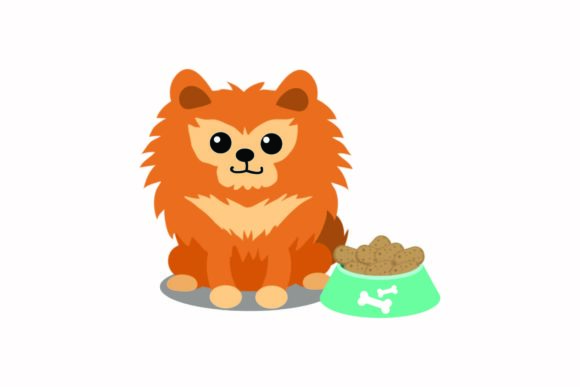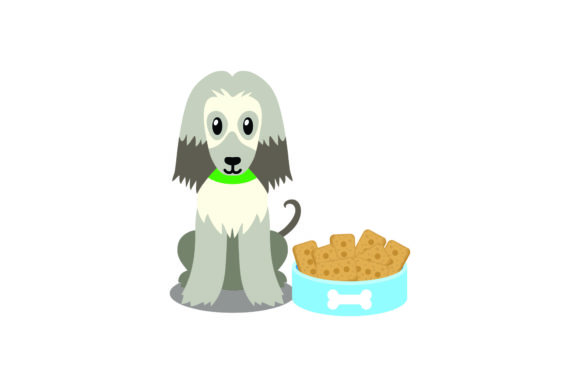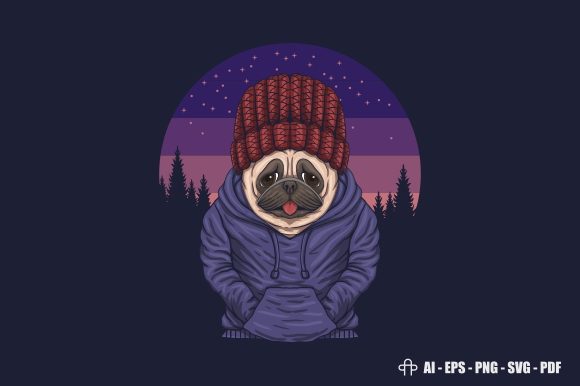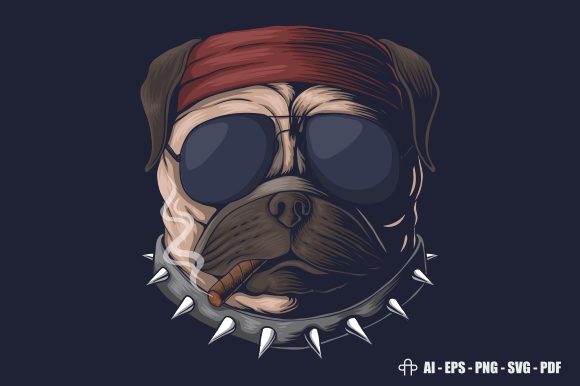
Cute Dog Face Illustration
First Impressions: Friendly, Clean, and Ready for Stitching
When I opened the Cute Dog Face Illustration, my immediate thought was: “This is a smile I’d want on a baby onesie or a kitchen towel.” It’s soft in expression—not overly cartoonish, not too minimal—striking that sweet spot between charm and clarity. The face is centered, well-proportioned, and built with gentle curves and open negative space around the eyes and muzzle. There’s no tiny text, no fussy linework, and no overlapping elements that would complicate digitizing. As an embroidery designer who’s stitched hundreds of pet-themed pieces, I appreciate how naturally this shape translates to satin stitch and fill stitch zones without needing heavy cleanup.
A Real Project Test: Embroidering It on a Linen-Cotton Tea Towel
Last week, I used the Cute Dog Face Illustration for a small-batch run of embroidered kitchen towels for a local boutique. I chose a 4-inch hoop, medium-weight cutaway stabilizer, and matte cotton thread in warm charcoal and cream. On linen-cotton blend fabric, the design held its shape beautifully—the round cheeks and floppy ear outline stayed crisp, and the eye detail (a simple oval + dot) read clearly even at that scale. Customers responded instantly: “That dog looks like my rescue!” and “I’d buy three just for the joy.” That kind of emotional resonance matters—it’s why Cute Dog Face Illustration works so well for personalized gifts and boutique branding.
Where It Shines (and Where to Pause)
The Cute Dog Face Illustration excels on stable, medium-to-heavy fabrics: sweatshirt fleece, canvas tote bags, twill aprons, and cotton pillow covers. Its balanced proportions make it forgiving on curved surfaces like caps—just reduce size slightly and use a tear-away stabilizer underneath. For baby embroidery or nursery decor, it reads gently and warmly, especially when stitched in pastel threads on organic cotton.
That said, I’d avoid using it full-size on thin or stretchy fabrics (like jersey t-shirts or lightweight rayon) without testing first. The smooth outer contour looks clean in vector form, but in dense fill stitch, it can blur on low-thread-count knits. Likewise, on dark fabric, double-check that the inner details—especially the subtle nose shading—don’t disappear without higher-contrast thread. And if you’re planning an embroidered patch, confirm whether your digitizer needs to add underlay or edge-run stitches for clean cut edges.
What Makes It Commercially Smart for Craft Businesses
As an Etsy seller and small shop product developer, I look for design assets that balance visual appeal with production reliability—and Cute Dog Face Illustration delivers. It’s versatile enough to anchor a holiday embroidery collection (think: dog in a Santa hat, stitched onto a flannel blanket), yet simple enough to stand alone on a minimalist tote bag design. Because it’s available in AI, EPS, SVG, JPG, and PNG at 1920 × 1280 px, it scales cleanly for both digital previews and physical mockups. I’ve used the SVG version to build printable mockups for client approvals, and the PNG for social media banners—no pixelation, no jagged edges.
Stitching Notes Every Embroidery Designer Should Check
- Test first on scrap fabric matching your final product’s weight and texture—especially for baby embroidery or custom apparel where softness and durability matter.
- Review stitch density before sending to machine. A design this friendly shouldn’t need ultra-dense fills—but verify if your digitized version adds unnecessary travel stitches or over-stitched outlines.
- Confirm hoop size compatibility. At full scale, it fits comfortably in a 5×7 hoop, but for caps or small items like wristlets, resize down to 3–3.5 inches and retest stabilizer hold.
- Inspect small details in black-and-white mockups. The nose and eye highlights should retain contrast against both light and dark backgrounds.
- Use proper stabilizer—cutaway for knits, tear-away for stable wovens, and fusible for layered garments like reversible aprons.
- Check licensing before selling finished products or bundling the file as part of a digital embroidery file pack. Since the listing says “for decoration” and “can be edited as needed,” clarify usage rights directly with the seller if you plan commercial resale.
Why It Builds Trust—and Why Your Customers Will Feel It
There’s something quietly professional about a well-executed dog face illustration. It signals care—not just in design, but in intention. When a customer sees Cute Dog Face Illustration stitched neatly on a handmade product, they don’t just see a dog; they see attention to proportion, thoughtful spacing, and a design that respects the craft of embroidery. That builds trust faster than any description. For craft fairs or Etsy listings, that perception lifts perceived value: buyers are more likely to choose your embroidered patch over a generic clipart alternative because it feels intentional, not imported.
Final Thought: A Reliable, Joyful Workhorse Design
I keep Cute Dog Face Illustration in my go-to folder for quick-turn projects—personalized gifts, last-minute craft fair inventory, or client samples where warmth and approachability matter most. It’s not flashy. It doesn’t try to do everything. But it does one thing beautifully: deliver genuine, stitch-ready charm. Whether you're a solo embroiderer building a craft business, an apparel decorator adding seasonal flair, or a hobbyist stitching for love—it’s the kind of Illustrations asset that earns repeat use, not one-time novelty. Just remember: test, stabilize, and stitch with intention. The rest? That joyful little face will do the rest.