★★★★☆4.4(252 reviews)
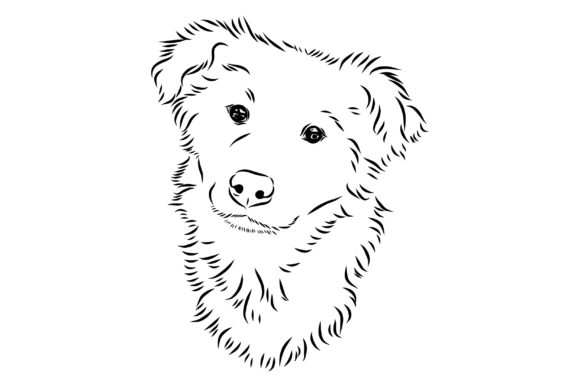
The Old Poor Mangy Dog
Performance in Real-Life Embroidery Projects
- Custom Apparel: On a sweatshirt or t-shirt, The Old Poor Mangy Dog can be a striking feature. Its detailed fur and expressive face make it suitable for both casual and more artistic designs.
- Baby Clothing: The design’s emotional tone might be too intense for young children, but it could work well as a subtle motif on a onesie or bib.
- Embroidered Patches: The design’s intricate details make it a good candidate for patches, especially when paired with a contrasting thread color.
- Holiday Gifts: The Old Poor Mangy Dog could be a thoughtful addition to holiday items like aprons, pillow covers, or kitchen towels, adding a touch of sentimentality.
- Commercial Embroidery: For small shop owners and Etsy sellers, the design offers potential for branding or creating a signature look for a craft business.
Considerations for Use
While The Old Poor Mangy Dog is visually rich, there are situations where it may not perform as well. For example, on small hoop sizes, the detail may become lost or appear cramped. Similarly, on thin or stretchy fabrics, the design might not stitch cleanly due to fabric distortion. Dark fabric backgrounds can also pose challenges, as the contrast between the design and the fabric may reduce visibility. In such cases, testing the design on scrap fabric with different thread colors is crucial. A white or light-colored thread might bring out the details more effectively. Additionally, the design’s density of stitches and complexity of corners mean that proper stabilizer use is necessary to prevent puckering or uneven stitching. Testing the design in black and white mockups can help identify any issues before committing to a final product.Visual Appeal and Customer Trust
For a customer purchasing a handmade item, the design should be easy to recognize and appreciate. If the stitching is too dense or the details are too fine, the design may lose its impact. This is where thread color contrast and stitch density play a critical role.Practical Design Notes for Embroidery Designers
- Test on Scrap Fabric: Always test the design on scrap fabric to assess stitching quality and appearance.
- Check Thread Color Contrast: Ensure the chosen thread color provides sufficient contrast against the fabric background.
- Review Stitch Density: Adjust stitch settings if needed to maintain clarity and avoid overcrowding.
- Confirm Hoop Size: Choose a hoop size that accommodates the design without distorting the layout.
- Inspect Small Details: Pay attention to fine details, especially in areas like the dog’s eyes and fur texture.
- Test in Black and White: This helps identify any hidden issues with the design’s structure.
- Use Proper Stabilizer: Select a stabilizer that supports the fabric type and design complexity.
- Ensure Licensing Rights: Confirm that the design is licensed for commercial use before selling finished products or digital files.
⬇️ Download Free
Free download · No sign-up required
🔗 You Might Also Like
Illustrations
As a designer who’s stitched hundreds of custom projects—from boutique baby ones...
Illustrations
As a designer who’s stitched hundreds of custom projects—from boutique baby ones...
Illustrations
As someone who’s stitched hundreds of custom pieces—from boutique baby onesies t...
Illustrations
A Designer’s First Look: Charm with Quiet Confidence When I opened Pug Dog Night...
Illustrations
First Impression: Moody, Memorable, and Made for Personality When I opened the P...
